Midterm Election Primaries and Political Strategy: Why They Matter and What’s at Stake
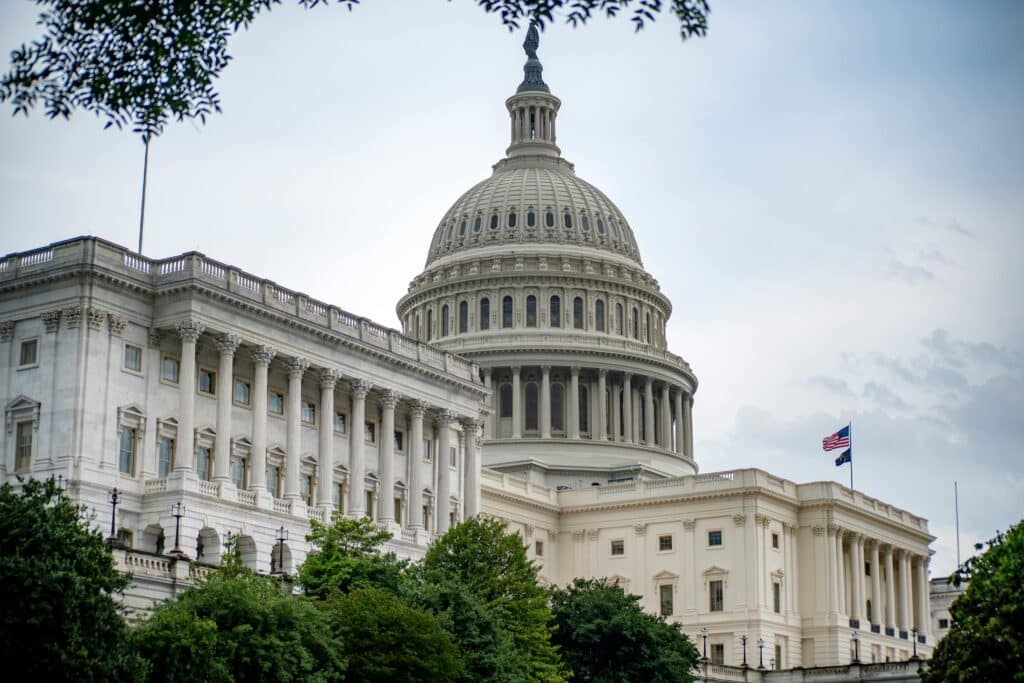
Midterm elections are often described as referendums on the sitting president, but that shorthand misses the structural and strategic importance of the process that begins long before November: the primaries. Midterm primaries determine not only who appears on the general election ballot, but also the ideological direction, messaging strategy, and coalition composition of each major party. In many districts—particularly safe seats—the primary is effectively the decisive contest.
Understanding midterm primaries requires examining three interlocking dynamics: candidate selection, party brand definition, and turnout mechanics. Together, these shape the balance of power in Congress and influence policy outcomes for years.
The Structural Importance of Midterms
In the United States, all 435 seats in the House of Representatives are contested every two years, along with roughly one-third of the Senate. Unlike presidential elections, midterms typically produce lower turnout and heightened sensitivity to enthusiasm gaps between parties. This dynamic amplifies the influence of motivated voter blocs and activist bases.
Historically, the party occupying the White House tends to lose seats in midterms. Political scientists attribute this to several factors:
-
Balancing behavior among voters seeking divided government
-
Presidential approval dynamics
-
Differential turnout between energized opposition voters and less motivated incumbents’ supporters
However, history is not destiny. Candidate quality, district-level demographics, economic conditions, and issue salience all interact in complex ways.
Why Primaries Matter Strategically
1. Candidate Ideology and Electability
Primaries often expose tension between ideological purity and general election viability. In safe districts, candidates may prioritize alignment with activist bases. In competitive districts, parties must weigh nominating candidates who can appeal to independents and swing voters.
The strategic dilemma is straightforward:
-
A candidate who excites the base may struggle in a purple district.
-
A centrist nominee may dampen enthusiasm among core supporters.
This balancing act determines not just seat outcomes but the ideological composition of the next Congress.
2. Party Brand Definition
Primaries are messaging laboratories. The themes that dominate primary debates—whether economic policy, immigration, public safety, climate, or cultural issues—often become defining planks of the party’s broader narrative.
The outcome of internal contests can signal to voters what the party stands for moving forward:
-
Is it emphasizing fiscal restraint or expanded public investment?
-
Is it focused on institutional reform or continuity?
-
Is it projecting stability or insurgency?
Primary outcomes therefore shape not only electoral maps but governing agendas.
3. Resource Allocation and Momentum
Competitive primaries can drain financial resources, yet they also generate media coverage and grassroots engagement. Parties must strategically decide where to invest early:
-
Protecting incumbents from intraparty challenges
-
Recruiting high-profile candidates in battleground districts
-
Consolidating factions quickly to avoid prolonged internal conflict
Effective early consolidation often correlates with stronger general election positioning.
Why Winning the Midterms Is Crucial for Each Party
Control of Congress is not merely symbolic; it determines legislative throughput, oversight authority, and budgetary direction.
If a Party Controls the House
The House holds the “power of the purse.” Control enables:
-
Initiating revenue and appropriations bills
-
Setting the legislative calendar
-
Launching investigations and oversight hearings
-
Controlling committee leadership
Even absent Senate control, a House majority can shape national discourse and constrain executive priorities.
If a Party Controls the Senate
The Senate carries distinct institutional powers:
-
Confirming federal judges and executive branch appointments
-
Ratifying treaties
-
Conducting impeachment trials
In closely divided eras, Senate control can determine the ideological direction of the federal judiciary for decades.
Policy Implications Moving Forward
The consequences of midterm outcomes extend beyond immediate legislation. Several long-term effects include:
1. Judicial Landscape
Senate control directly affects federal judicial confirmations. Given lifetime appointments, even a single midterm cycle can shape legal precedent on issues ranging from administrative law to civil rights.
2. Budget and Fiscal Direction
Midterms influence whether budgets reflect expansive public spending, fiscal restraint, or negotiated compromise. Debt ceiling debates and appropriations processes often hinge on congressional margins.
3. Executive Branch Constraints
Divided government tends to produce increased oversight, subpoena activity, and regulatory scrutiny. Unified government, by contrast, enables smoother legislative passage but may intensify partisan polarization.
Political Strategy in the Modern Midterm Era
Several trends define contemporary strategy:
Microtargeting and Data Analytics
Campaigns now rely heavily on voter file modeling, behavioral targeting, and turnout optimization. Primaries test these tools before the general election.
Issue Salience Volatility
Unlike past eras dominated by a few stable issues, modern elections are shaped by rapidly shifting narratives—economic indicators, Supreme Court rulings, international crises, and cultural flashpoints can quickly redefine campaign terrain.
Turnout Engineering
Midterms hinge on mobilization efficiency. Strategies increasingly focus on:
-
Early voting and mail ballot programs
-
Digital persuasion ecosystems
-
Relational organizing
Small turnout differentials can swing competitive districts.
What Midterm Outcomes Mean Long Term
1. The Remainder of the Presidential Term
A majority aligned with the president can accelerate policy goals. An opposition-controlled chamber can block legislative initiatives and intensify oversight. Legislative productivity often shifts dramatically depending on margins.
2. The 2028 Presidential Landscape
Midterms often serve as talent pipelines. Rising governors, representatives, and senators use national visibility gained during midterm cycles to position themselves for future presidential bids.
3. Party Coalition Evolution
Primary results reveal which factions within a party are ascendant. Over multiple cycles, this gradually reshapes coalition composition—affecting demographic outreach, messaging frameworks, and ideological alignment.
Risk Factors and Strategic Missteps
Both parties face common pitfalls:
-
Overinterpreting national mood while ignoring district-level nuance
-
Allowing internal factional conflict to linger post-primary
-
Underestimating turnout asymmetries
-
Failing to adapt to demographic shifts
Midterms reward disciplined messaging and punish complacency.
Conclusion
Midterm election primaries are more than preliminary contests—they are strategic inflection points. They determine candidate quality, define party identity, and set the terms of the general election battlefield. Winning the midterms shapes legislative power, judicial appointments, fiscal policy, and executive oversight. In closely divided political eras, even narrow margins can produce outsized institutional consequences.
For each party, the imperative is clear: align candidate selection with district realities, maintain coalition cohesion, manage resources strategically, and anticipate turnout dynamics. The results will not only influence the next two years of governance but also help define the trajectory of national politics heading into the next presidential cycle.
Please note that this DailyWebTalk blog is for informational purposes only.
Feel free to reach out using our contact form if you are a freelance writer and wish to post on our blog.