How to Remodel Your Home to Boost Health and Well-Being
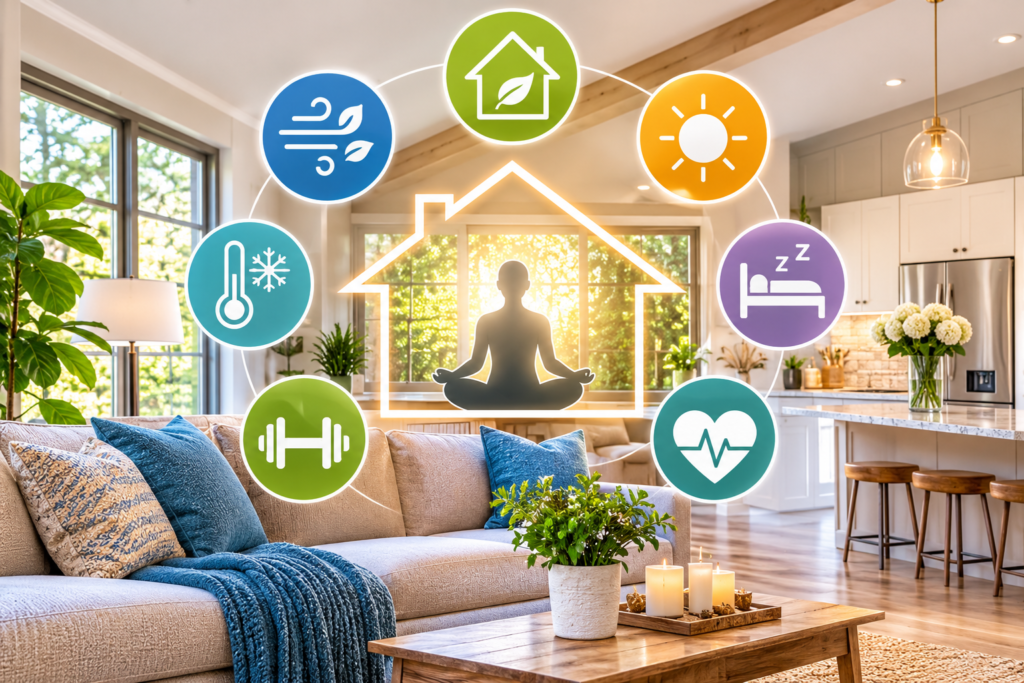
Busy parents juggling work, kids, and wellness often chalk up fatigue, congestion, headaches, or low-grade stress to “life,” but many home health challenges are tied to indoor environmental quality. When air, light, noise, moisture, and materials aren’t supporting the body, even a clean, well-kept house can feel draining. The core tension is wanting a calm, healthy place to recharge while living in a home that subtly undermines sleep, breathing, focus, and mood. The good news is that targeted health-focused home upgrades can deliver real home remodeling benefits and lasting home well-being improvements.
Quick Summary: Health-Boosting Remodel Priorities
- Create a meditation nook by choosing a calm spot and adding simple, dedicated comfort.
- Improve indoor air quality by upgrading ventilation and using cleaner, low-impact materials.
- Increase natural light by opening up layouts and enhancing windows to brighten everyday spaces.
- Optimize the bedroom for better sleep by prioritizing comfort, darkness, and a restful setup.
- Hire qualified pros by checking credentials, past work, and safety practices to protect health benefits.
Use Electrical Upgrades to Improve Lighting, Ventilation, and Safety
Those high-impact upgrades work best when the wiring and fixtures behind them support comfort and everyday use. Electrical improvements can make health-first remodels feel noticeably better, especially through lighting and ventilation. A smarter, energy-efficient lighting layout brightens work zones and reduces eye strain, while updated electrical support for modern ventilation fans helps bathrooms and kitchens clear moisture and odors more effectively, promoting a healthier indoor environment. Safety matters here, too: bringing bathroom and kitchen electrical components up to date can reduce risk in the spaces where water, heat, and heavy appliance use overlap.
Before any electrical work begins, focus on selecting top-quality parts, supplies, and accessories from trusted brands so the upgrades stay reliable long-term; many homeowners shop electrical supplies so they can identify what they want before the electrician arrives.
Pick Your Project: A Menu of Feel-Better Home Improvements
Start with how you want to feel at home, calm, energized, well-rested, or more “fresh-air” clear-headed, then pick the project that supports that goal. These options range from quick weekend upgrades to remodel-level changes that pair well with smart lighting, ventilation, and safety electrical work.
- Create a simple meditation room (or corner) that stays distraction-free: Choose one low-traffic spot, a spare bedroom, wide hallway nook, or even a closet office conversion, and commit to keeping it visually quiet. Begin by removing clutter so the space feels “done” the moment you step in, then add a soft, dimmable light on its own switch or smart dimmer so you can drop brightness in the evening. Use a closed cabinet or lidded basket for anything you don’t use daily so you’re not constantly resetting the space.
- Improve indoor air quality with a three-step “source–filter–vent” plan: First, reduce sources: swap to low-VOC paint during updates and store solvents in a sealed bin in the garage. Second, filter: upgrade your HVAC filter to the highest MERV rating your system supports and set a calendar reminder to check it every 1–3 months. Third, vent: use properly sized, ducted bathroom and range fans and make sure they’re on reliable switches or timers, this is where earlier electrical and ventilation upgrades pay off.
- Integrate natural daylight without glare (and without overheating rooms): Walk your home at 9 a.m., noon, and 4 p.m. and note where you rely on lamps; that’s your daylight “map.” Simple wins include replacing heavy window coverings with light-filtering shades and adding a glass door insert on a dark hallway. Bigger moves, skylights, solar tubes, or enlarging a window, work best when paired with layered lighting (ambient + task) so your rooms still feel comfortable on cloudy days.
- Make your bedroom sleep-friendly by controlling light, sound, and temperature: Aim for “dark, quiet, and slightly cool” as your default. Add blackout shades or lined curtains, then put bedside lighting on dimmers so you’re not hit with full brightness during nighttime wake-ups. If your room runs warm, consider a ceiling fan or a quiet, correctly vented bathroom fan nearby to manage humidity, both benefit from safe wiring, correct switches, and proper circuit capacity.
- Install a home gym that’s easy to use and easy to maintain: Pick a location you’ll actually use, often the spare bedroom beats the cold garage, then plan the layout around one primary activity (strength, yoga, cardio). Keep floors clear by using floating shelves and boxes for smaller gear, and add bright, glare-free overhead lighting so you can move safely. If you’re adding equipment, confirm outlet placement and circuit load with an electrician before you buy.
- Enhance outdoor living so you get outside more often (without extra hassle): Start with a “comfort triangle”: shade (umbrella/pergola), seating you’ll use for 20+ minutes, and bug control (fans or screens). Add pathway lighting and a weather-rated outlet so the space works at dusk and you’re not running extension cords. If you’re building a deck, outdoor kitchen, or sauna, write down the must-haves vs. nice-to-haves so you can quote it clearly and avoid changing orders.
How to Hire the Right Tradespeople for Health Upgrades
This process helps you turn your health goals, like cleaner air or better sleep, into a clear hiring plan you can trust. It matters because the right pro can protect your budget, your timeline, and the safety details that affect how your home actually feels day to day.
- Step 1: Define your health goal and your “must-haves”
Start by writing one sentence about the outcome you want, such as “reduce odors and humidity” or “make the bedroom darker and quieter.” List 3 to 5 non negotiables like low VOC materials, quiet fan ratings, or no work that blocks exits. This makes it easier to describe the job consistently to every bidder. - Step 2: Find candidates and request comparable bids
Choose 3 contractors or tradespeople who do the exact work you need, then ask each for a written estimate that includes labor, materials, schedule, and who pulls permits. Ask them to price the same scope so you are comparing apples to apples. A busy market is common, and an increase in hiring can mean you need to book earlier than you expect. - Step 3: Verify licensing, insurance, and complaint history
Confirm they hold the right license for your job, and ask for proof of general liability and workers’ compensation insurance with current dates. Then check for complaint patterns in public records where available and ask how they handle safety issues like dust control, ventilation, and protecting occupied rooms. This step is boring but it prevents expensive surprises. - Step 4: Check credentials, reviews, and referrals by phone
Read reviews for repeated themes, not one off praise or complaints, and look for notes about cleanliness, punctuality, and communication. Call 2 to 3 referrals and ask: What changed from the original price, how did they handle problems, and would you hire them again. If you use online screening tools, remember 26% of organizations used AI for HR tasks so you still need human follow up for anything that feels unclear. - Step 5: Lock scope and negotiate a simple, protective contract
Confirm the exact scope, materials, start and finish window, payment schedule tied to milestones, and a written change order process. Put “health critical” details in writing, like sealing off work areas, running exhaust fans during demo, and final cleanup standards. Before signing, walk the work area together and agree on access times, storage, and where noise or dust needs extra control.
Start Small, Remodel Smart for a Healthier Home Environment
It’s easy to feel stuck between wanting a healthier home environment and worrying that remodeling will be messy, expensive, or overwhelming. The steadier approach is to treat health-focused remodeling as a sequence of clear goals, smart choices, and well-scoped projects with the right tradespeople. Do that, and the benefits of health-focused remodeling show up quickly, better comfort, fewer irritants, and motivating home upgrades that support long-term health improvements. One well-chosen room upgrade can lift daily health more than a whole-house plan you never start.
Please note that this DailyWebTalk blog is for informational and educational purposes only and should not be considered financial, legal, tax, medical, or professional advice. While we strive to provide accurate and up-to-date information, errors or omissions may occur, and content may become outdated. Always consult a qualified professional before making important financial or legal decisions.
We’re always looking for high-quality guest contributors. If you’re a freelance writer interested in submitting a guest post that provides valuable, original content for our readers, we’d love to hear from you. Please contact us through our contact form to inquire about contributing.
